Whenever I get trapped at a cocktail party I always hear the same questions. I’m like the dentist that people show their bridgework to or the lawyer who needs to know about that problem with the neighbour’s fence. With me it is always one of these:
Let’s deal with this once and for all.
No great chef serves food he hasn’t tasted. Equally, you wouldn’t buy a green shirt if you knew you hated green and only liked blue. You have to know what you like in order to find it. You know if a wine is green or blue by tasting it. Here’s how you do it.
Not yours, the wine’s!
Who cares? You do.
There are several reasons to look at a wine first:
The first thing to look for when putting your nose in the glass is a fault with the wine. The most easily recognised, though certainly not the only possible fault, is cork taint. If a wine smells like a damp basement, or wet cardboard or the Golden Retriever after he’s jumped in a pond, then you have taint and you can and should send it back or return it. There are degrees of corkiness and sometimes you won’t even notice it. A ‘Comedy Corked’ bottle (as I like to call them) will jump out of the glass and warn you and you don’t need my help to send those back. If you are uncertain, leave it for a minute or two and sniff it again. Cork taint always gets worse with exposure to air, whereas a little harmless mustiness from the bottle will dissipate.
(Note: A corked wine does NOT mean there is a little piece of cork in your glass. Pluck it out with your fingers and drink up!)
Other faults can be; high volatility (this makes a wine smell like vinegar), oxidization (this makes a wine old before its time; brown, fruitless and joyless) and dirty cellar practices (that have a similar effect to a tainted cork).
Like the colour, the smell of a wine will help to give you a sense of a wines maturity. Young wines tend to have obvious fruity aromas, called primary fruits. Cabernet Sauvignon is often said to smell of blackcurrants or cassis, Merlot often gives notes of plum and Sauvignon Blanc is famous for its combination of gooseberry, grass and sometimes passionfruit.
Older wines develop secondary characteristics, by which we mean smells not associated with fresh fruit. Aged Rieslings can sometimes develop a subtle (and surprisingly lovely) smell of petrol! Cabernet can develop hints of tobacco and Pinot Noir is famous for mushrooms and ‘undergrowth smells’. It’s all a lot better than it sounds, but it is worth noting that not everyone likes aged wine, we just think we should. The French tend to drink wine in its youth to enjoy the fruitiness.
The nose shows fruits, herbs, spices and various other notes. These impressions will combine with those on the palate to give you an overall image of the wine. Try to articulate what you smell. That way if you like it (or hate it) you can better understand and remember why.
So that’s the hard work out of the way, now let’s have some fun! I’m sure we have all laughed at those swilling wine around in their gobs like mouthwash and making repulsive noises. They are not insane, even if they are showing off a little. Like swirling wine in the glass, they are trying to mix it with oxygen. It makes the flavours stronger and therefore easier to define. This is NOT necessary when trying the wine you ordered at a restaurant, but when you are trying to make notes on dozens of wines (or just one), it can help.
The first and most obvious thing you will taste in a wine will be with the very tip of your tongue. Here you can tell if a wine is sweet or dry. You cannot smell sweetness. Try putting sugar in water and putting it to your nose. Nothing. You can detect honeyed notes or caramel that might mean a wine is sweet, but the tongue has the moment of truth. Some wines that we think of as dry, have a little residual sugar to make them more appealing to the mass market. Its kind of like putting sugar in a hamburger bun.
All wines have acidity. If not, they would taste flabby and cloying and quite frankly, you’d hate them. The amount of acidity can be measured by the degree to which it makes your mouth water. A New Zealand Sauvignon Blanc is high in acid and sooooooo mouth-wateringly good. Too much acid and a wine will taste sour. (I guess that one was a little obvious.)
Tannins come from either the skins and sometimes stalks of the grapes, or more famously from the oak barrels in which many wines are matured. As such, tannin is predominantly a red wine phenomenon. A top Cabernet from Bordeaux or California will sometimes spend more than a year in new oak barrels and this will lend a lot of tannin to the wine. This is done because tannin, like acidity, balances the fruitiness of the wine and stops it from tasting dull and flabby. It is said to lend the wine structure. Tannin is detected by the insides of your cheeks and your gums and is experienced as a drying sensation. In that respect it is kind of the opposite to acidity.
It should be more noticeable in young wines as with bottle age the fruit and tannins should integrate with the acidity to create a balanced and harmonious whole. That’s the theory anyway. It doesn’t always work out.
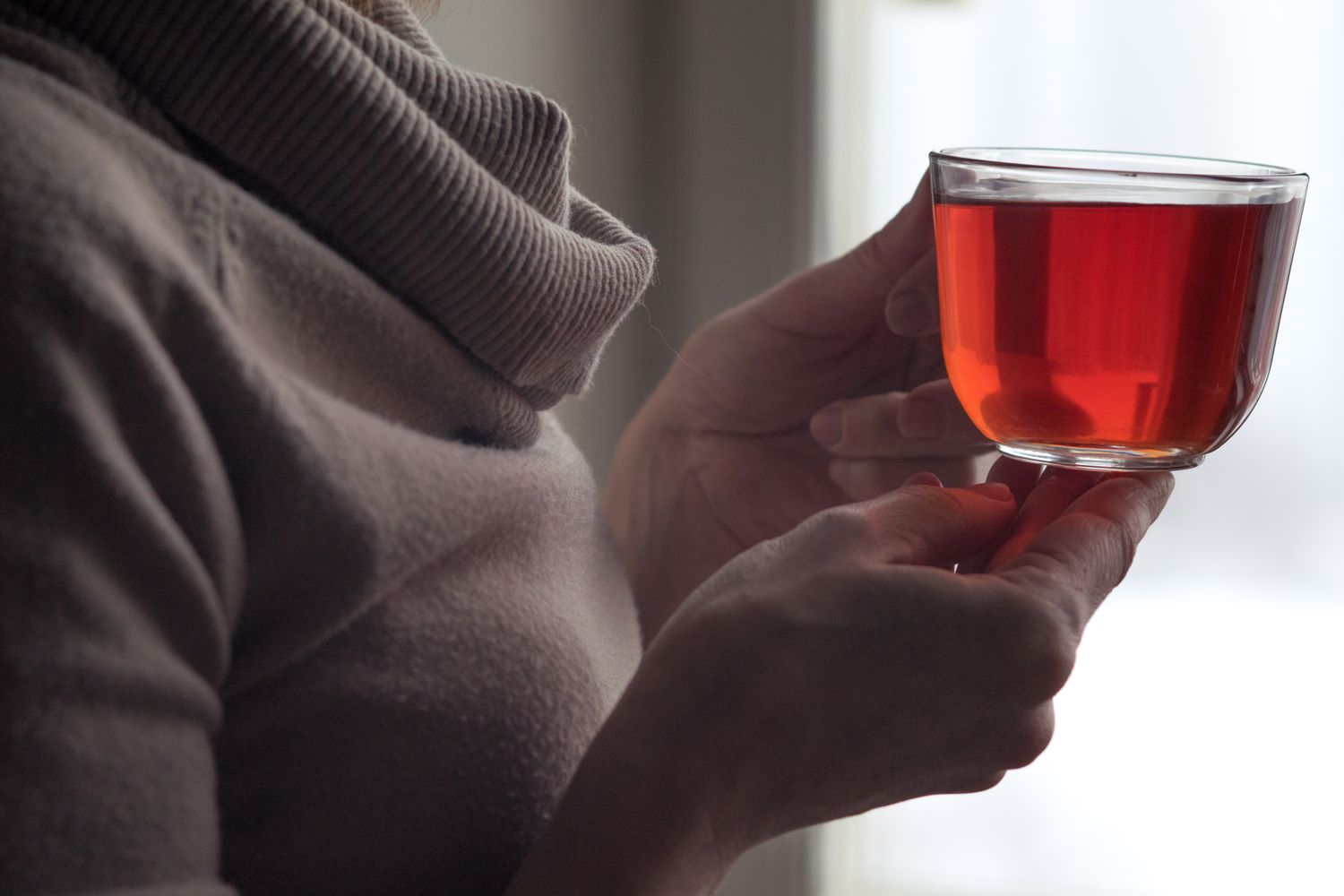
If you really want to know what tannin is like (and want to punish yourself) leave a normal teabag for an overly long time in hot water. Tea is famously tannic. Have a sip and your cheeks and gums will feel like dropping off. It will also give a taste of bitterness and this will also be apparent in wines that are too tannic. This is not a fault as such, just not a very good wine.
The main thing to consider is the intensity of flavour in a wine and what those flavours are. What fruits are you finding in that red? Are they black fruits, like blackberries and black currant and black cherries or red fruits like strawberries or raspberries. With a white you might find pears or lemons or even pineapples. Can you taste vanilla or cedar (often with oaking)? Can you taste leather? Rioja often tastes that way. Is it buttery, like an big Chardonnay? These flavours make up the mid palate of the wine.
I may disagree with what you have to say, but I shall defend to the death, your right to say it." Voltaire
Let’s say you get strong notes of chocolate in an Australian Shiraz and someone else is talking about coffee and mint. You might both be right. It is hard to rule either out. I mean, neither is actually there. Its all just impressions. This is not an absolute science and we all experience the world in our own unique way. We all have different palates. Just because you like a certain wine or smell a certain herb and I do not, that does not make one of us ‘right’. Mind you, if you are in a group and the other seven people don’t get it, it might be worth trying again.
Also consider how the wine feels in the mouth. Big reds and sweet wines are often viscous and coat the mouth. They feel big and rich and are said to have ‘body’. A crisp white wine feels light and fresh. Alcohol is often a factor in determining the body of a wine and a Californian Zinfandel or Australian Shiraz will always have more body than a red Burgundy.
You often hear people talking about the length or finish of a wine. What is it? Easy. Once you have swallowed your mouthful, the finish is the length of time you can still taste the wine. The longer the better. In theory, the longer the finish is, the more ageworthy the wine is too. Here’s the trick, the length has to be enjoyable. I mean, you aren’t going to want another glass of something because it has a bad aftertaste you can’t get rid of, are you?
The most important question to ask yourself when tasting a wine is ‘Do I like it?’ It’s a very serious question and one that we can often trick ourselves into answering incorrectly. It is not uncommon to see cheaper wines outperform the ‘great’ and expensive wines in blind tastings even among professionals. We do not always like what we ‘ought’ to like.
If you like something try to determine why, so you stand a chance of finding this trait or character or flavour in other wines.
It all comes down to different palates. You don’t get excited because someone doesn’t like peanut butter so why worry if they don’t enjoy Cabernet. It goes without saying that you are right and they are wrong, but these people are to be pitied and not rebuked.
If all men count with you, but none too much…
— Rudyard Kipling
Wine reviews are interesting if they help us to understand a wine. There is a real danger in taking a reviewer’s ‘score’ out of the context of the overall notes. A critic may well like a wine for its deep plummy character, which is not much use if you hate plums or cedar or tobacco or whatever the dominant note is. It doesn’t matter how good a Viognier is, I’m unlikely to get excited about it. We are all different and should shop accordingly.
If a wine is loved by Stephen Tanzer, Robert Parker and James Suckling then it may be great, but it won’t be a bargain. It can be very expensive to be a sheep.
It is much safer to go for wines and wine styles you enjoy. That is why tasting for yourself is the best way. You can save a fortune by knowing what has worked for you in the past. You don’t need to know everything about every wine.
‘I may not know much about art, but I know what I like.’ That’s how the old saying goes. When it comes to wine, that’s not a bad way to be.
Use the resources to hand, but talk before you listen. When buying a wine, give the sommelier or consultant as much information as you can. If you have a price range in mind, mention it. It helps us to help you. If you hate Chardonnay, say so. If you just ask “what’s good?’ they are going to mention the last wine they thought of, or something they were told to push.
You can be a rank insider as well as a rank outsider.
— Robert Frost
And don’t feel duty bound to take the recommendation. We don’t always get it right and some ‘professionals’ have no idea.
We spend a lot of time in this industry telling people what is great and what they should like. Don’t take this any more seriously than your star sign in the paper. It is based on generalizations and doesn’t take the most important element into account, you. Your likes and dislikes should determine everything. Trust your own opinion and make your own mistakes. You’ll learn faster and drink better.
Food and wine pairing is an art. By which I mean it is an entirely unnecessary luxury. If you like Zinfandel with your scallops, so be it. If Riesling and steak calls your name, answer the call. If however, you are hoping to fit in or don’t know what you like, here are a few ideas.
Oak and spice do not like each other. The oak accentuates the heat rather than quelling it and the spice can in turn make the oaky wine taste metallic. I don’t know why. Do I look like a scientist? Spice and sweetness is the best bet. I am not talking about a desert wine, but something Alsace, Germany or Ontario based will often offer a little residual. Ironstone Obsession works with a little spice. Remember if you are serving a killer Vindaloo nothing can match it and you need to reach for a beer.
White wine is a more obvious choice because you don’t want to overpower the subtle flavours. From Europe, look at wine producing regions that are near the coast. There is a good chance that the wines have been made to have with seafood. Rueda, Muscadet and Verdicchio all fit the bill.
Reach for the butter with one hand and the Chardonnay with the other. Remember, it doesn’t have to be big and buttery, it just has to be Chardonnay. Chablis has little oak as do many New World versions.
Something about Sauvignon Blanc just seems to work. Dry Australian Riesling too. You need something refreshing to wash down the salt.
Fat in red meat tends to interact well with tannin so this is the time to bring out those big Cabernets and Syrahs. The tannins will soften and flavour the fat in the meat. This is all happening in your mouth! Don’t argue, go with it.
The floral and earthy notes of pinot noir (particularly those of Burgundy) bring out the flavours in gamier dishes like duck, partridge or anything else an Englishman might aim a shotgun at.
Sauternes and foie gras is a staple of the overly wealthy in Europe. I am not saying eating offal is the way forward, but if this takes your fancy keep this in mind. Not all Sauternes have the acidity needed to balance the richness of this fatty dish. The rule of rich and richer working together sounds nice, but it is heavy and laboursome without that balancing acidity. If you can’t quite stretch to d’Yquem keep in mind that sweeter styles of Alsace wines or Champagne offer a perfect match to fatty dishes, while still dishing out the sugar.
Keep in mind when you are cranking away at the Maldon sea salt that this will affect your wine. Salt emphasizes alcohol while playing down tannin and acid. That means it woks better with Bordeaux than New World Cabernet. Go figure.
If you are having Italian food then you should be drinking Italian wine. More than this, most of any region’s wines have been designed to go with the local food. So work out where that dish was created and hunt out the local vino. This goes for Spain and France too.
As Christmas or Thanksgiving role around, hunt out Pinot Noir and Zinfandel in particular. Turkey can be a dry meat and needs the fruit without the drying tannins. Zin and Pinot tend to by high in the first and low in the second. Pinot Gris is a great choice when looking for a white.
Keep in mind a dish’s dominant flavour. Fish goes with white, right? Not if it is in a tomato based sauce. The dish will be too heavy. Now you have to match the tomato and the acid in that fruit will like a higher acid red like a Sangiovese.
No matter what the match, never pick a wine you know you don’t like just because you think it’s a good match. The whole may be greater than the sum, but if you already don’t like half of it, you are starting on the back foot.